HEATWAVE: Philly’s Extreme Weather, City Council Shuts Down Air Pollution Act, and Hopeful Solutions (student Article)
Philadelphia’s record highs and possible environmental solutions
Heat is becoming a major problem in Philadelphia. It has been increasing over the past few decades as you can see in the graph below.
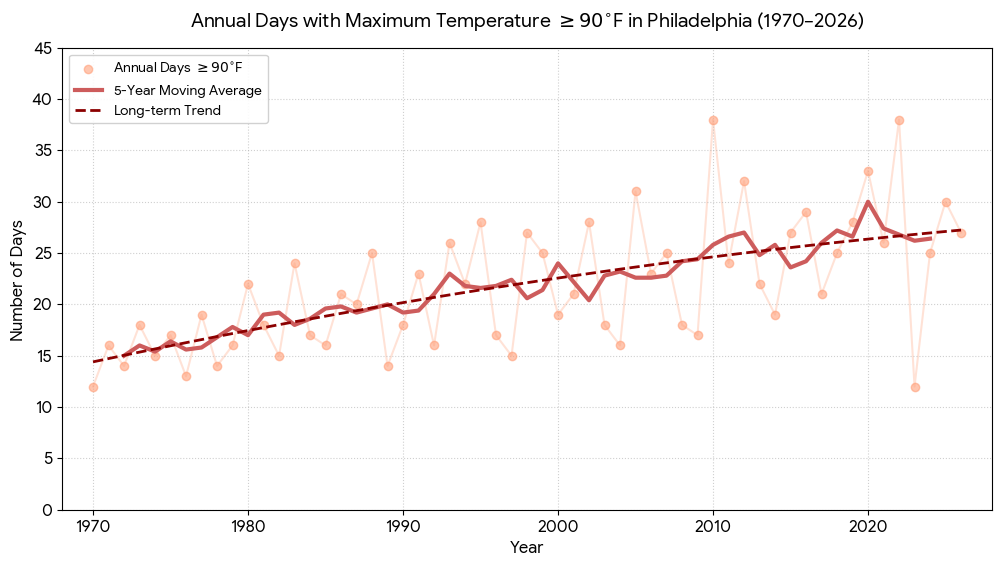
We’re currently experiencing record-setting heat. In fact, Philadelphia never had three consecutive days of temperature nearing 100°F
July 2 - Thu : 100°F
July 3 - Fri : 101°F
July 4 - Sat : 101°F
We’re all feeling it. A wool blanket wrapped around you at the worst possible time. It’s so bad that it’s affecting the community. People are staying inside, businesses are shutting down, and it’s hard to find relief anywhere that’s not directly in front of an AC unit.
courtesy: CBS News
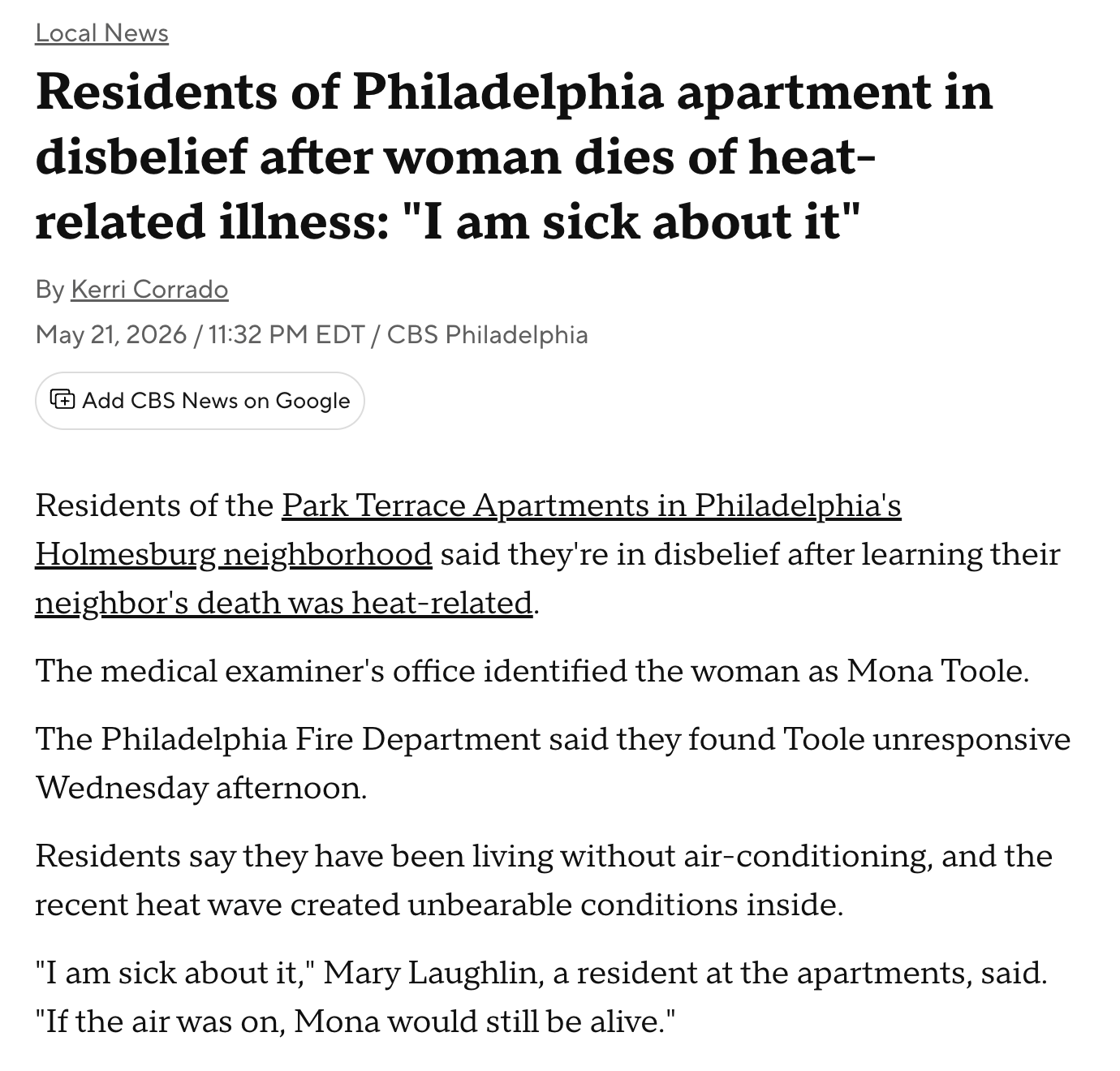
Sadly, we even lost a member of our community due to excessive heat. In late May, Mona Toole was found dead in her apartment. The cause of death? Hyperthermia (overheating).
The building she was living in went without air conditioning during a record-breaking heat wave. The building was becoming dangerously hot nearing 100*F (38*C) and unfortunately took her life.
More Extreme Weather
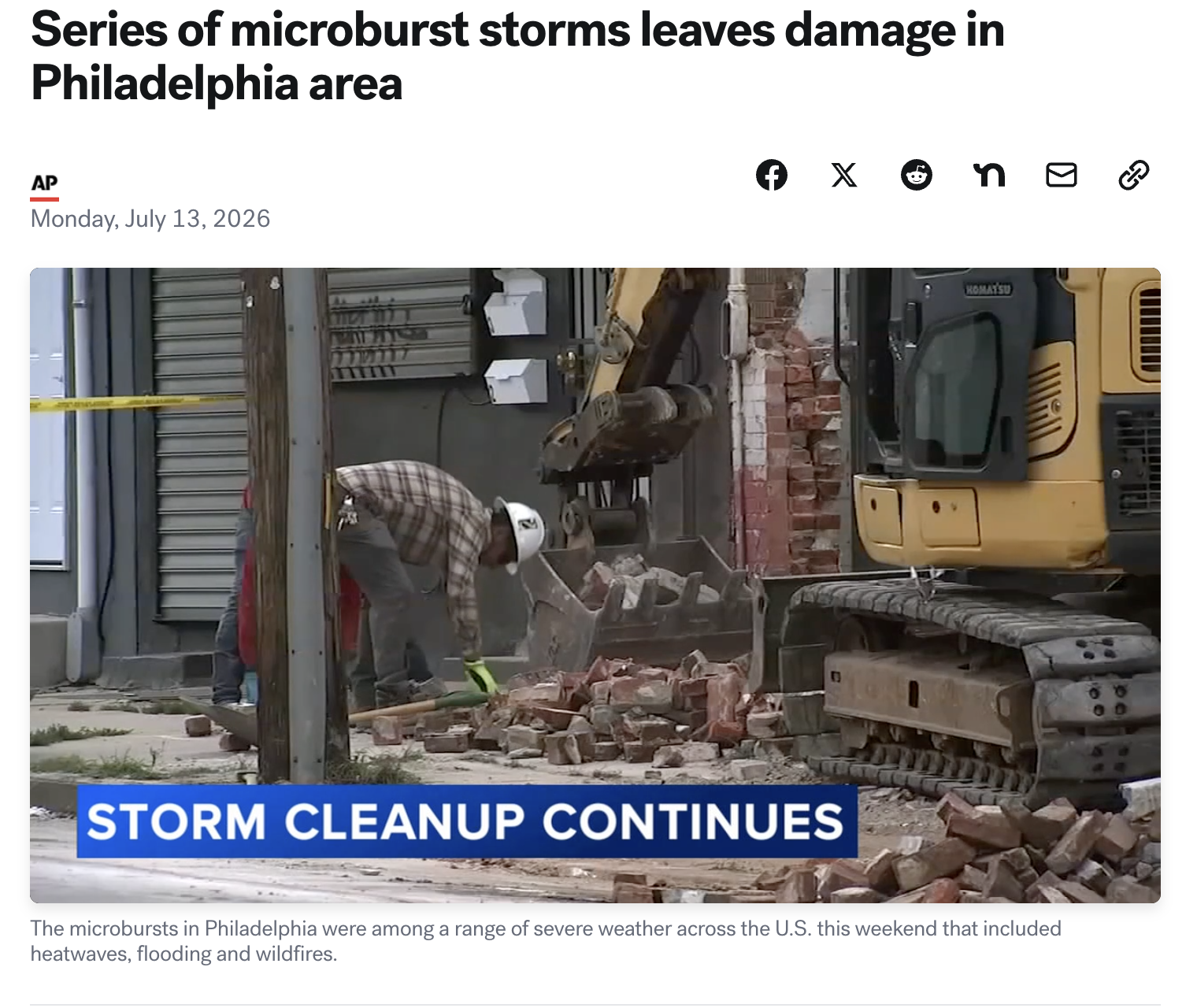
Not long after the heatwave, more extreme weather took hold of West Philadelphia. A microburst took down trees and power lines throughout the area and caused excessive damage.
courtesy: 6ABC Action News
It’s been a summer filled with intense weather that has taken its toll on the ever-resilient City of Philadelphia. While it’s hard to point the finger directly at anything in particular, there’s no denying there is an uptick in problematic weather events.
Some of which we can combat and some we can’t.
One thing we may be able to do is help clean up the air pollution.
Air Pollution
For decades, Philadelphia has been burning some of its garbage in nearby Chester. A predominantly black community that has been impoverished and fighting to get back on its feet.
Recently, Councilmember Jamie Gauthier brought forth a new bill, “Stop Trashing Our Air” act to ban Philly from burning its trash, which has already received plenty of community support and attention from local publications as you can see below with a simple google search.
Unfortunately, it was shot down by city council after alleged “intense lobbying” by Mayor Parker.
From The Philadelphia Tribune:
Councilmember Jamie Gauthier accused Mayor Cherelle Parker on Thursday of “intense lobbying” of her City Council colleagues in opposition to the “Stop Trashing Our Air Act” which would bar the city from sending trash to the Reworld Incinerator in Chester. Garbage and recycling from Philadelphia is responsible for about a third of the incinerator’s input. The trash burning has been blamed for higher instances of diseases and lower quality of life for Chester residents. Gauthier told reporters after Thursday’s City Council session that the mayor has called her colleagues to oppose the Stop Trashing Our Air Act. Council would have to approve a new contract with the incinerator, which comes up this year. Gauthier reminded reporters that Parker supported ending the city’s contract with Reworld when running for office in 2023.
While it’s painful to see powerful acts like this one fall, it’s important to point out that there still ways we can make a difference.
THE POWER OF SOLAR ENERGY
Solar energy is the most vital and unlimited source of clean power for our future. As the world faces rising pollution and energy shortages, expanding solar technology has become essential for a sustainable planet.
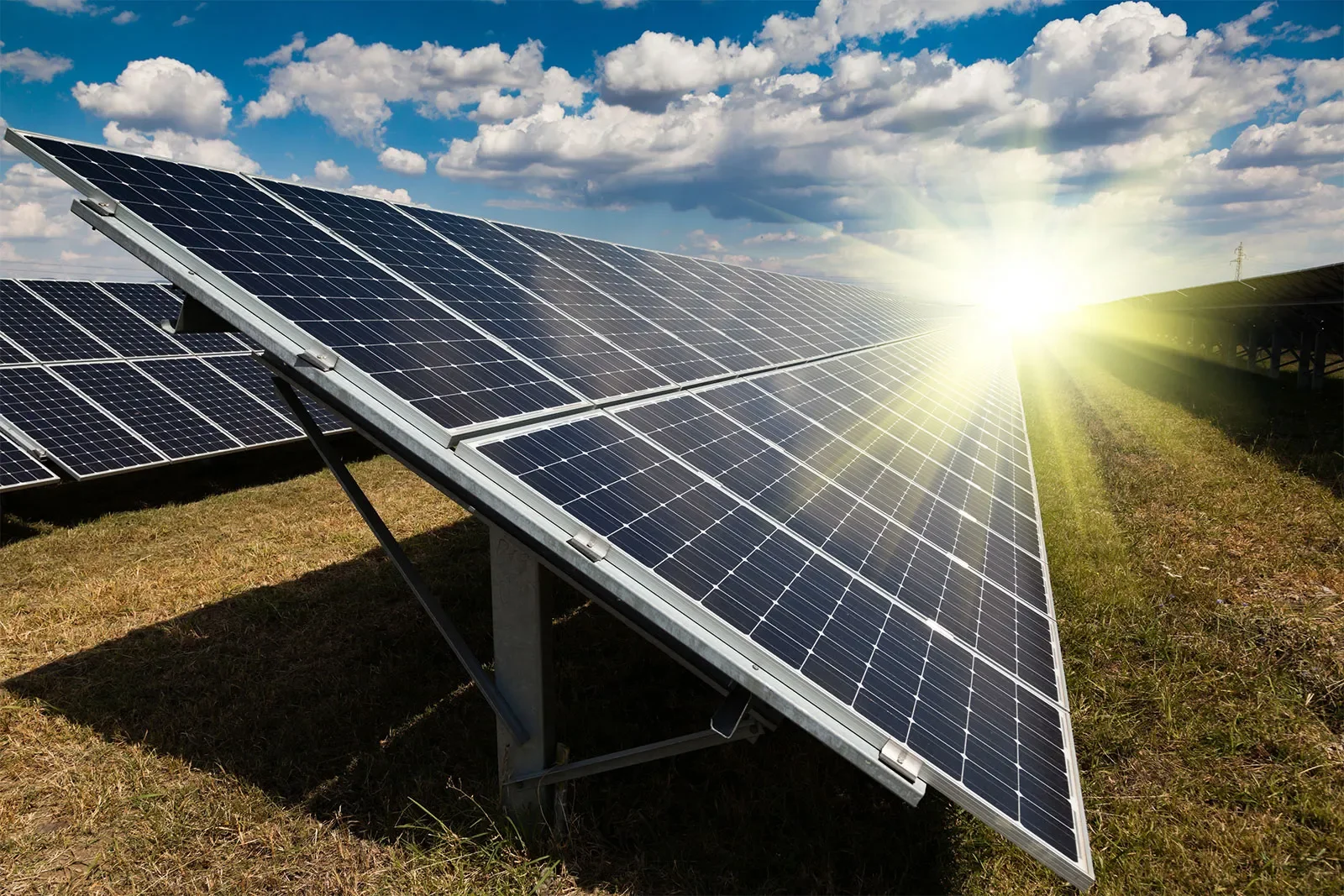
courtesy: Britannica
IEA Sights: US Solar Outlook
Solar energy is a scientifically proven solution to the global energy crisis. Using the latest data from the International Energy Agency (IEA) , this article provides a credible and balanced look at its true potential.
According to the latest finding from the IEA, Solar PV ( ) continues to dominate global renewable growth though at a slower rate.
“Recent policy changes are expected to affect the pace at which solar PV capacity is added annually through the end of this decade. Even so, low costs, faster permitting and broad social acceptance are set to continue to drive the accelerating adoption of solar PV. As a result, capacity is set to more than double between 2025 and 2030 compared with the 2019 to 2024 period.
A growing share of variable renewable sources such as solar also comes with challenges. Curtailment levels and instances of negative electricity prices have been increasing in many markets. A rapid increase in power system flexibility and grid investment is necessary to integrate future growth securely and cost-effectively.”
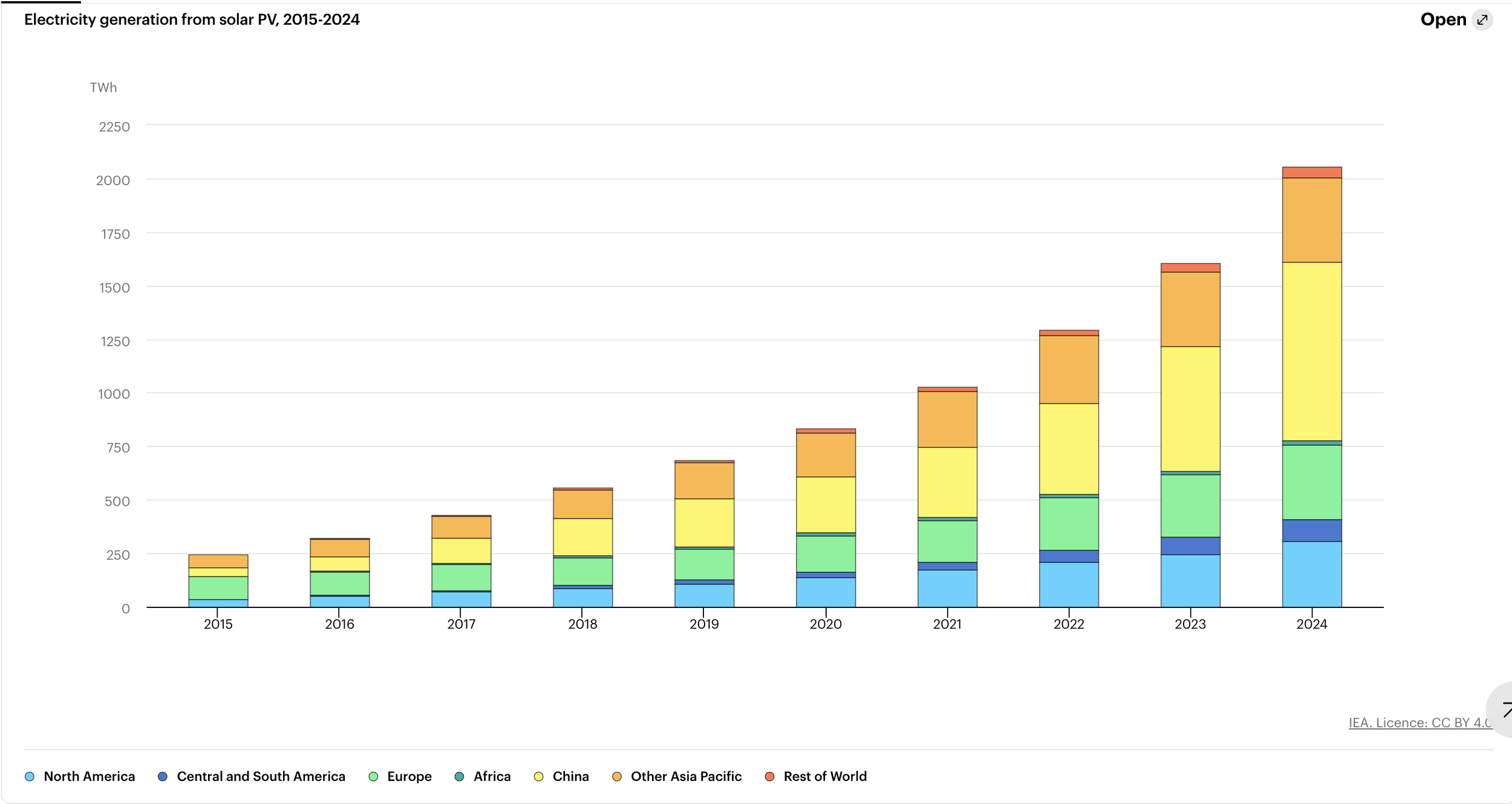
From source: https://www.iea.org/energy-system/renewables/solar-pv
The chart clearly illustrates that among all renewable success, Solar PVshows the sharpest and most consistent upward trend, proving that it will hold the largest share in global electricity generation by 2030.
Solar energy: A bright solution for the future
As climate change and electricity costs continue to rise, solar energy is becoming one of the smartest solutions for a cleaner and more affordable future.
Solar panes capture sunlight and turn it into electricity that can power homes, schools, offices , and businesses. While installing solar panels requires an upfront investment they can significantly reduce monthly electricity bills over time. They also require very little maintenance and can last for decades.
The benefits go beyond saving money unlike power generated from coal or oil, solar energy produces clean electricity without releasing harmful greenhouse gases during operation. This helps support air pollution and supports the fight against climate change.
Imagine if every home had solar panels on its roof. Families could save money on electricity while using renewable energy. On a larger scale, the government could install solar panels on schools, hospitals, office buildings and other public facilities. This would reduce electricity costs, lower carbon emissions and create a more sustainable future.